
"Santo Domingo region"
400 article(s) found

A brief introduction to the treatment method of grinding degree and roasting degree of Dominica Santo Domingo coffee with strong taste
The origin of coffee in the Dominican Republic: the best coffee producing place in the Dominican Republic is the Barahona region in the southwest, but Juncalito and Ocoa also produce a kind of high-quality coffee-SantoDomingo coffee, the characteristic of Dominican Republic coffee: Dominican Republic coffee is fresh and light.

Taste rich Dominica's Santo Domingo Coffee introduces boutique coffee beans
The earliest coffee in Dominica was introduced from Martinique (the overseas province of France), dating back to the early 18th century. Dominica is an island country with a tropical climate. The temperature changes little throughout the year. Except for the lower temperature in the Central Cordillera Mountains, which can reach less than 0 ℃ in winter, the annual average temperature in other areas is between 25 and 30 ℃, which is affected by the mountain topography.

Introduction to the flavor of Santo Domingo coffee with mellow taste of Dominican boutique coffee beans
Coffee in Dominica is grown in highlands and lowlands, and its taste is slightly different. The upland is sour, but the taste is rich; the lowland is less sour and tastes smoother. Boutique coffee has become popular in recent years. High-quality coffee beans produced by some Dominican estates have a rich aroma, mellow taste and moderately bright sour taste, and have been bought with the more famous Puerto Rico beans or teeth.

Dominica Santo Domingo Coffee Flavor description Grinding characteristics introduction to the taste of varieties in producing areas
Located in the Jarabacoa region near Siwao, it has the largest farm in Dominica, Ramirez Manor (RamirezEstates), which mainly grows Kaddura varieties, and most of the coffee produced is sold to Europe, the United States and other western countries and regions. Ramirez Manor itself produces coffee in an environmentally friendly way. Coffee from Dominica is made with A.
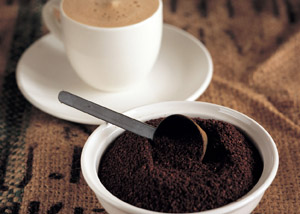
Pure and soft Dominica coffee Santo Domingo coffee
The Dominican Republic also had a history of revolution and poverty, but now it has implemented democratic elections and the country is relatively stable. In the early 18th century, coffee was introduced to Domiga from Martinique, and fine coffee was produced in the north represented by Hibao and in the south, including Okayabani Santo Domingo. Among them, coffee from Santo Domingo and Barney

World-famous quality coffee Santo Domingo coffee from Dominica
Unlike coffee produced in Haiti, most of the coffee grown in the Dominican Republic has been washed, which is a symbol of high quality. Miniga Coffee uses a washing method to treat coffee beans, so that the quality of treated coffee beans is more guaranteed. The coffee beans treated by washing method retain more original flavor than the drying method, and the aroma is pure and soft. Carefully selected and made in this way

Introduction to the characteristics of Dominica Santo Domingo Coffee Grinding method with excellent acidity
L'Or é al arrived in Santo Domingo in 1801. He abolished slavery on behalf of the French government. In 1802, Napoleon sent troops to conquer the whole island and ruled for several months. In October 1802, mixed-race and black people revolted against French rule and repelled the French army in 1803. On January 1, 1804, the rebels declared Santo Domingo independent and established the Republic of Haiti. But be defeated.

Santo Domingo, Dominican Republic Coffee Processing Method Production Area Grinding Scale Introduction
Dominican coffee is grown in upland and lowlands and tastes slightly different. Highland plants are sour, but rich in taste; lowland plants are less sour and smoother in taste. In recent years, specialty coffee has become popular. Some Dominican estates produce high-quality coffee beans with rich aroma and rich taste, with a moderately bright acidity. They have been compared with the more famous Puerto Rico beans or teeth.

Coffee from Santo Domingo, a coffee-producing region of Dominica grown in highlands and lowlands.
In the west of Hispaniola, the harvest in the mountains above 1500 meters above sea level, the rich coffee Republic of Dominica (Dominican Republic) is adjacent to Haiti, both of which own the island of Hispaniola (Hispaniola). The best production site is the Barahona region in the southwest, but Honkalito (Juncalito) and Ocoa

Introduction to the characteristics of Dominican Coffee Flavor and Taste Manor
In December 1492, Christopher Columbus arrived on Hispaniola on his first voyage. On his second voyage there in 1493, Santo Domingo became the capital of the island. [3] thousands of Tainos were demoted to slavery and engaged in gold mining. Due to a series of oppression, hunger and disease, by 1535, the Tino had only 60,000 left. 1501, Spain
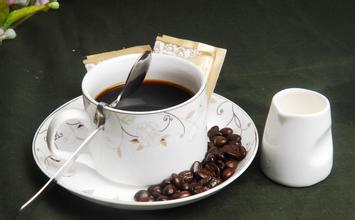
Dominica Santo Domingo Coffee Flavor description abrasion Variety characteristics of Fine Coffee
Located in the Jarabacoa region near Siwao, it has the largest farm in Dominica, Ramirez Manor (RamirezEstates), which mainly grows Kaddura varieties, and most of the coffee produced is sold to Europe, the United States and other western countries and regions. Ramirez Manor itself produces coffee in an environmentally friendly way. Coffee from Dominica is made with A.

The flavor and taste of Dominica coffee with pure and soft aroma introduce the characteristics of fine coffee in the manor area.
At the beginning of the 17th century, when French, Dutch and British pirates were operating in the west of Hispaniola, France began to allow farmers and merchants to gradually colonize the western part of the Spanish island, which was blocked by mountains on the island. It didn't attract the attention of the Spaniards in the east. [3] in 1677, about 4,000 French lived in 11 villages in the west of the island. In 1697, France and

Dominica Santo Domingo Coffee with mellow taste introduction to boutique coffee
Coffee in Dominica is grown in highlands and lowlands, and its taste is slightly different. The upland is sour, but the taste is rich; the lowland is less sour and tastes smoother. Boutique coffee has become popular in recent years. High-quality coffee beans produced by some Dominican estates have a rich aroma, mellow taste and moderately bright sour taste, and have been bought with the more famous Puerto Rico beans or teeth.

A brief introduction to the description of flavor, taste and aroma characteristics of smooth and smooth Santo Domingo coffee
Coffee in Dominica varies slightly in taste according to the altitude of the region where it is grown, with sour but rich taste in the highlands, and less sour and smoother taste in the lowlands. On the other hand, the high-quality coffee beans produced by some Dominican estates have a rich aroma, mellow taste, moderately bright sour taste, and are often used with famous Puerto Rican or Jamaican coffee.

Flavor description of Dominican coffee with mellow taste introduction to the characteristics of the taste of grinding degree
In 1677, about 4,000 French lived in 11 villages in the west of the island. In 1697, France and Spain ceded the western part of the island to France according to the Leswick Treaty of the Alliance War, formally recognizing French sovereignty over Haiti in the western part of the Spanish island, and the eastern part of the Spanish island was called East Santo Domingo. France continues to develop its agricultural economy on the island of Hispaniola.

Santo Domingo Coffee introduction
Dominica Dominica: Santo Domingo coffee taste characteristics: fresh and elegant, full particles, excellent acidity, pleasant flavor. The Dominican Republic is located in the east of the island of Haiti in the West Indies, bordering the Republic of Haiti to the west, the Atlantic Ocean to the north and the Caribbean Sea to the south. With an area of about 49000 square kilometers and a population of 7.1 million, the Dominican Republic and the Republic of Haiti coexist in

Introduction to the characteristics of the fresh and elegant coffee flavor manor of Dominica Santo Domingo
Unlike coffee produced in Haiti, most of the coffee grown in the Dominican Republic has been washed, which is a symbol of high quality. Miniga Coffee uses a washing method to treat coffee beans, so that the quality of treated coffee beans is more guaranteed. The coffee beans treated by washing method retain more original flavor than the drying method, and the aroma is pure and soft. Carefully selected and made in this way

Description of Dominica Coffee Flavor with mellow taste A brief introduction to the characteristics of the varieties of Grinding degree
In 1677, about 4,000 French lived in 11 villages in the west of the island. In 1697, France and Spain ceded the western part of the island to France according to the Leswick Treaty of the Alliance War, formally recognizing French sovereignty over Haiti in the western part of the Spanish island, and the eastern part of the Spanish island was called East Santo Domingo. France continues to develop its agricultural economy on the island of Hispaniola.

Creamy Dominican Coffee Flavor Description Fine coffee beans from producing areas Taste characteristics Introduction
In the early 18th century, coffee was introduced to Dominica from Martinique, and the northern regions, represented by Ciba, and the southern regions, including Ocayabani Santo Domingo, produced fine coffee. Among them, Santo Domingo and Bani produced coffee, almost synonymous with Domica coffee, is world-famous quality coffee. Santo Domingo coffee, characterized by fresh and elegant,
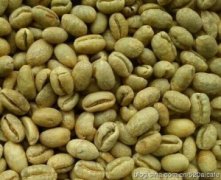
[coffee beans] Caribbean Dominica Santo Domingo coffee beans
Dominica Dominica: Santo Domingo coffee taste characteristics: fresh and elegant, full particles, excellent acidity, pleasant flavor. The Dominican Republic is located in the east of the island of Haiti in the West Indies, bordering the Republic of Haiti to the west, the Atlantic Ocean to the north and the Caribbean Sea to the south. With an area of about 49000 square kilometers and a population of 7.1 million, the Dominican Republic and the Republic of Haiti coexist in